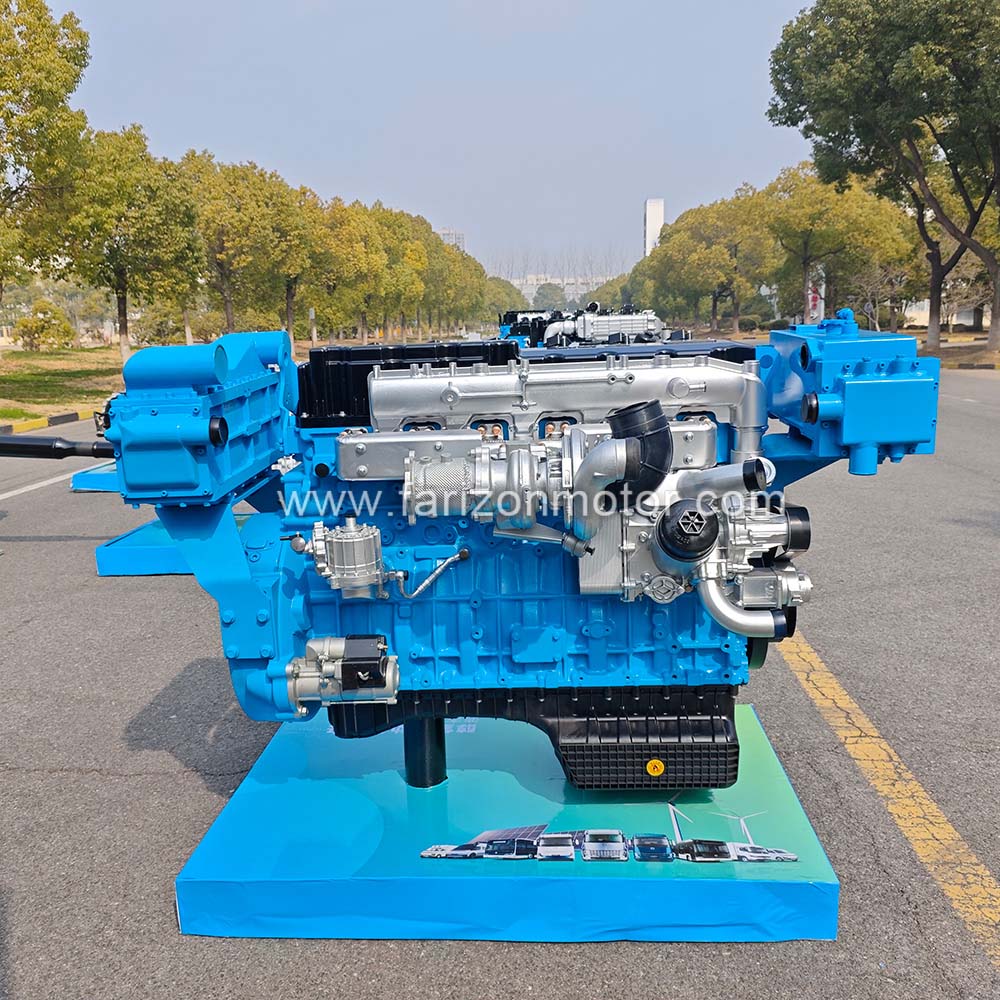
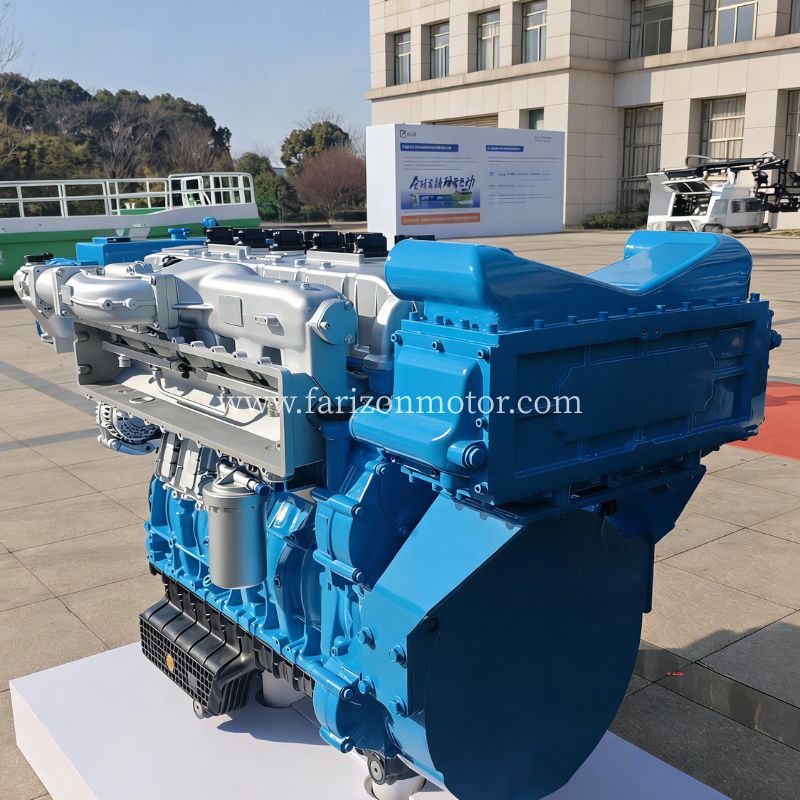
The working environment of ships is special, with seawater salt spray, continuous turbulence, long-term full load operation, and strict maritime emission regulations, which determine that ship engines
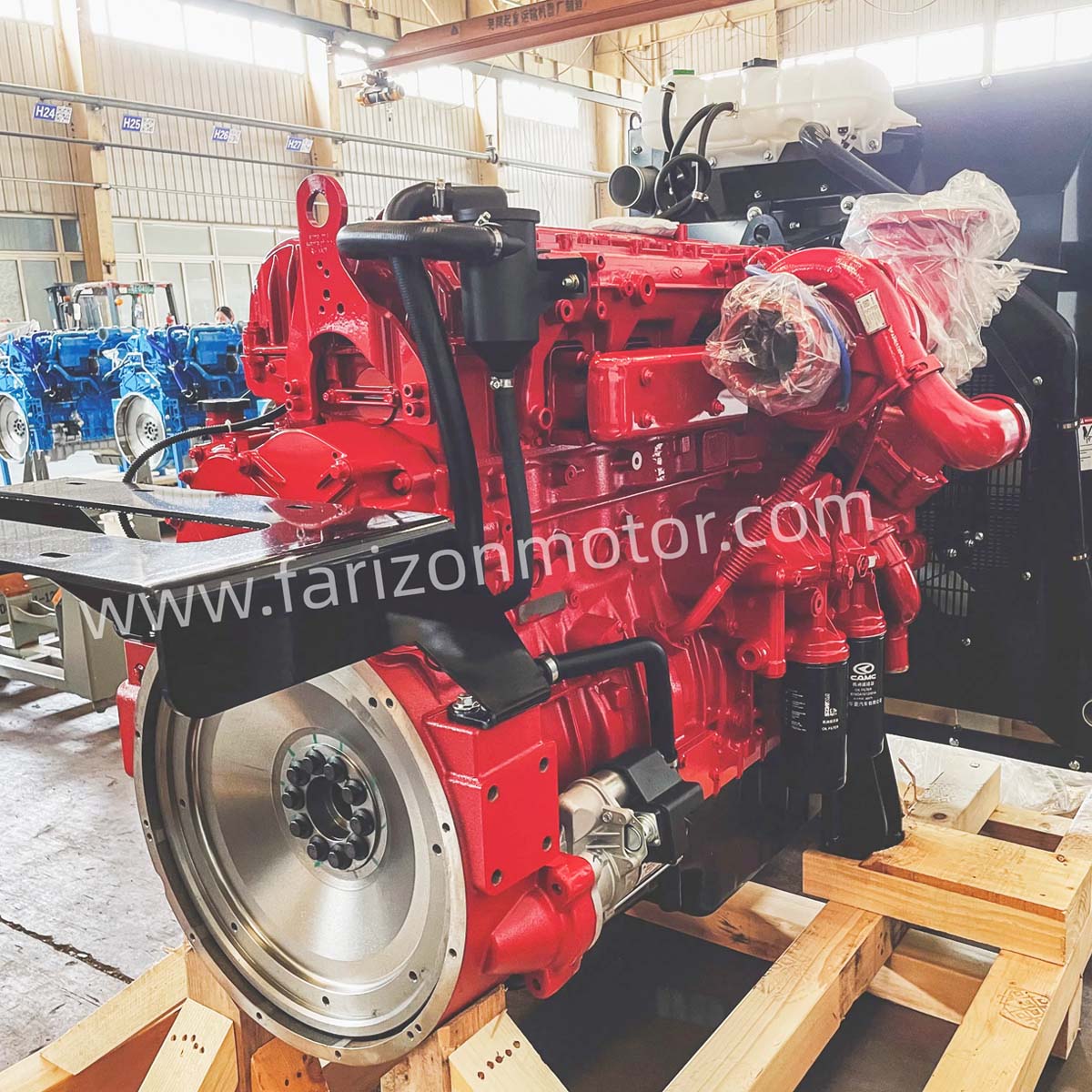
Introduction to Diesel Engines Diesel engines are widely used core power units for commercial vehicles, engineering machinery, generator sets and special equipment worldwide, featuring strong power, h
The stable operation of construction machinery equipment is fundamentally dependent on reliable power units. The high-power diesel engine, as the core power source, is suitable for the operation requi
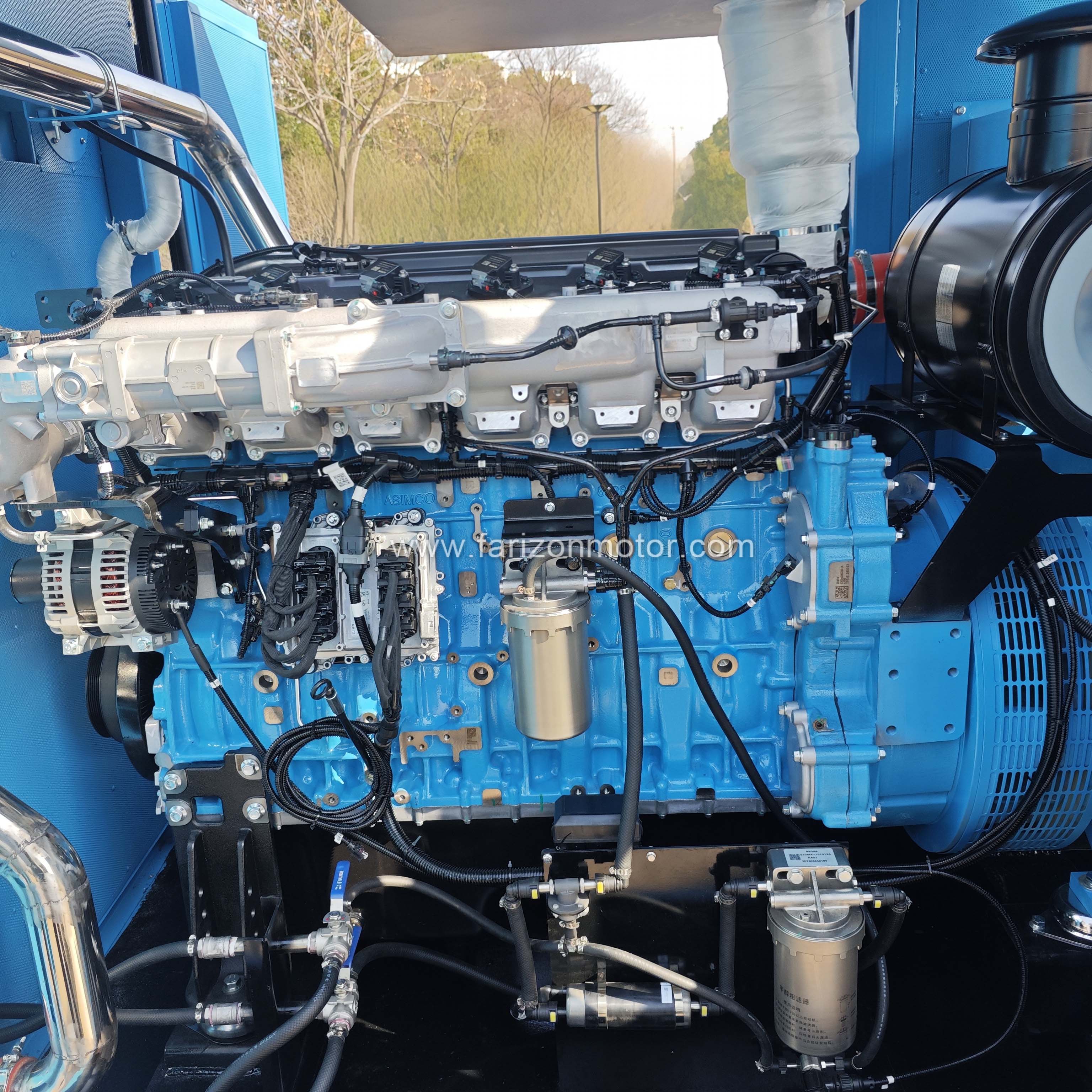
Under the dual carbon background, methanol, as a liquid clean energy source, takes into account the advantages of diesel long range, low natural gas emissions, and low cost of electric vehicles. It is
1. The engine valve drive mechanism adopts a hydraulically supported ball rocker structure. Compared with the hydraulic tappet valve drive mechanism commonly used in general gasoline engines, this nov
Because gasoline is low in viscosity and evaporates quickly, it can form a uniform mixture with air outside the cylinder, and then suck the mixture into the cylinder, or use a gasoline injection syste
Engine is a machine that can convert other forms of energy into mechanical energy, including internal combustion engines (reciprocating piston engines), external combustion engines (Stirling engines,
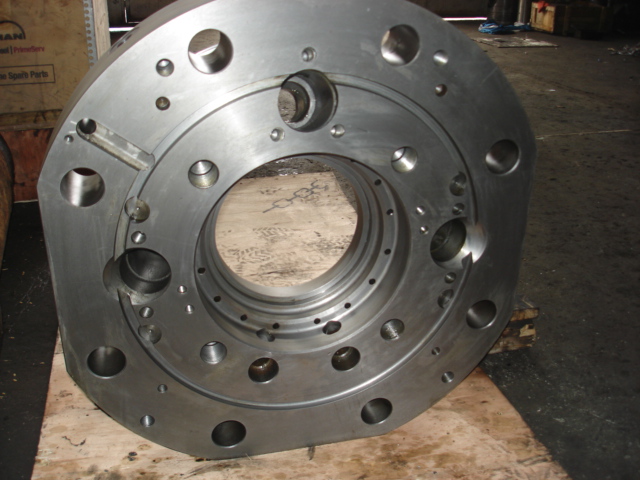
Engine Cylinder Head is an essential component of an internal combustion engine. It is located at the top of the engine block and houses the valves, valve springs, and camshaft. The cylinder head play
In the context of green transformation in shipping, methanol is widely used as a low emission alternative fuel for marine engines in inland and offshore ships. Compared to traditional diesel engines,
In various industrial fields, engineering chains serve as critical transmission components. The rationality of their selection directly affects the normal operation and effective performance of engine